Inpatient vs. Outpatient Care: Choosing the Right Path for Your Recovery Life
Standard post by chris31 on January 30, 2026
No comments yet
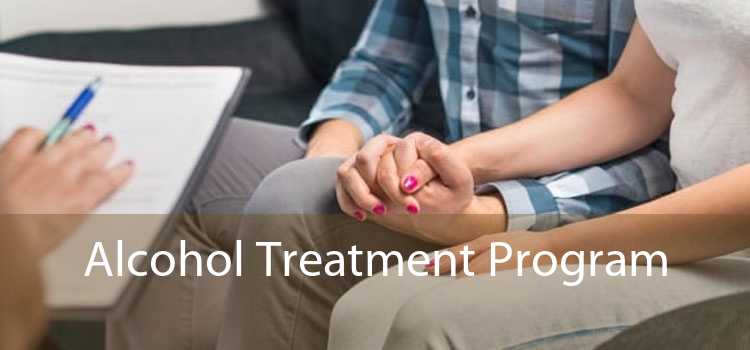 Deciding to seek help for addiction is a life-changing step. Once that decision is made, the next choice is often between inpatient and outpatient care. Both options offer effective paths to recovery, but understanding the differences can help you choose the approach that aligns with your personal needs, lifestyle, and level of support. Selecting the right type of care can make the difference between temporary relief and long-term sobriety.
Understanding Inpatient Drug and Alcohol Treatment
Inpatient, or residential, treatment provides a structured, immersive environment where individuals live at the facility while receiving comprehensive care. This level of support is ideal for those with severe substance use disorders or co-occurring mental health conditions.
Key Features of Inpatient Care
-
24-Hour Supervision and Support: Patients are monitored around the clock, ensuring safety and guidance during withdrawal and early recovery.
-
Intensive Therapy Programs: Inpatient care includes individual counseling, group therapy, family therapy, and educational workshops.
-
Holistic and Faith-Based Approaches: Many facilities offer nutrition programs, mindfulness training, physical activity, and spiritual support tailored to the individual’s beliefs.
-
Focus on Comprehensive Healing: Inpatient programs address the physical, emotional, and psychological aspects of addiction, creating a foundation for long-term recovery.
This highly structured environment removes distractions and triggers, allowing patients to concentrate fully on healing and personal growth.
Understanding Outpatient Care
Outpatient treatment allows individuals to live at home while attending therapy sessions and support programs at a treatment center. This approach is often suitable for those with milder addictions, strong personal support systems, or commitments such as work or family responsibilities.
Key Features of Outpatient Care
-
Flexible Scheduling: Sessions can often be scheduled around daily obligations, including work, school, and family life.
-
Access to Therapy and Counseling: Outpatient programs provide individual and group therapy, relapse prevention education, and support for co-occurring mental health issues.
-
Step-Down or Continuing Care: Outpatient care is frequently used after inpatient treatment to maintain progress and provide ongoing support.
-
Community Integration: Patients practice coping strategies in real-life environments, which can enhance the ability to maintain sobriety outside of a clinical setting.
Outpatient care emphasizes personal responsibility and provides the tools to integrate recovery into everyday life.
Choosing the Right Path for Your Recovery
Selecting between inpatient and outpatient care depends on several factors:
-
Severity of Addiction: Those with long-term or heavy substance use often benefit from the intensive support of inpatient programs.
-
Co-Occurring Mental Health Conditions: Individuals with depression, anxiety, or trauma may require the comprehensive care available in inpatient settings.
-
Support System: Strong family or community support may make outpatient care more feasible.
-
Lifestyle Considerations: Work, school, or caregiving responsibilities can influence whether outpatient care is practical.
Consulting with a professional treatment provider can help determine the most effective path based on individual circumstances and goals.
Integrating Holistic and Individualized Care
Both inpatient and outpatient programs benefit from holistic and individualized approaches. Nutrition, mindfulness, exercise, and spiritual guidance can enhance physical and emotional well-being. Personalized treatment plans ensure that therapy is tailored to each individual’s unique challenges, strengths, and aspirations.
Taking the Next Step Toward Recovery
Choosing the right treatment path is a critical step in reclaiming your life from addiction. Whether inpatient or outpatient care is the best fit, professional guidance, compassionate support, and a structured approach to healing are essential for lasting recovery. If you or a loved one are struggling with substance use, reaching out to a professional treatment center can provide a clear plan, resources, and the encouragement needed to take that first step toward a healthier, more fulfilling life.