Inpatient Drug and Alcohol Treatment: Taking the First Step Toward Lifelong Recovery
Standard post by chris31 on March 31, 2026
No comments yet
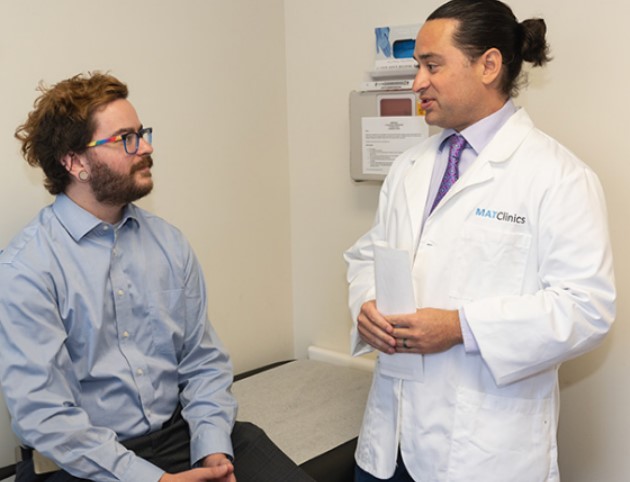 Deciding to seek help for addiction is one of the most important steps a person can take. Inpatient drug and alcohol treatment provides a structured, supportive environment where individuals can focus fully on healing. With round-the-clock care, personalized treatment plans, and integrated mental health support, inpatient programs offer the foundation needed for lifelong recovery. Understanding what these programs provide can empower you or a loved one to take that first crucial step toward a healthier, more fulfilling life.
What Inpatient Treatment Involves
Inpatient, or residential, treatment requires living at a treatment facility for a designated period while participating in comprehensive care. This immersive approach allows patients to focus entirely on recovery without the distractions or triggers present in their everyday environment.
Individualized Treatment Plans
No two recovery journeys are the same. Inpatient programs create customized treatment plans based on the severity of addiction, co-occurring mental health conditions, and personal goals. These plans often include individual therapy, group counseling, family sessions, and educational workshops designed to provide a holistic approach to healing.
24-Hour Medical and Emotional Support
Professional supervision is a key advantage of inpatient care. Medical staff monitor withdrawal symptoms, provide support for mental health challenges, and intervene if complications arise. This continuous support helps patients feel safe and supported throughout the early stages of recovery, reducing the risk of relapse.
Addressing Mental Health and Co-Occurring Disorders
Addiction often occurs alongside mental health conditions such as depression, anxiety, or trauma. Comprehensive inpatient programs provide integrated treatment that addresses both substance use and mental health. Through therapy, psychiatric evaluation, and medication management when needed, patients gain tools to manage their mental and emotional well-being alongside recovery from addiction.
Holistic and Faith-Based Care
Recovery is not only about stopping substance use; it is about restoring balance in life. Many inpatient programs incorporate holistic practices such as mindfulness, exercise, nutrition, and meditation. For individuals seeking spiritual guidance, faith-based approaches may also be integrated to provide comfort, purpose, and support throughout the recovery process.
Building Community and Peer Support
Living alongside others facing similar challenges creates opportunities for connection, understanding, and accountability. Peer support in inpatient programs fosters a sense of belonging and reinforces positive behaviors, helping patients build relationships that can extend beyond the treatment facility.
Preparing for Life After Inpatient Care
An essential part of inpatient treatment is preparing patients for life after discharge. Most programs provide aftercare planning, including outpatient therapy, support groups, and resources to help patients maintain their recovery. Learning to apply coping strategies, manage triggers, and maintain a support network are crucial steps toward lifelong sobriety.
Taking the First Step Toward Lifelong Recovery
Inpatient drug and alcohol treatment offers a safe, structured, and compassionate environment for individuals seeking recovery. By addressing both addiction and mental health, integrating holistic practices, and fostering supportive communities, these programs give patients the tools needed to achieve and maintain lasting sobriety.
If you or a loved one are struggling with substance use, reaching out to a professional treatment center is the first step toward healing. With the right care and support, lifelong recovery is possible, and a healthier, more fulfilling life awaits.